



Salt is one of the most important minerals for anyone who fasts or follows a Ketogenic or Carnivore diet. When sodium levels drop, the body can react with symptoms such as headaches, fatigue, or nausea.
But a common question still comes up: should the salt that you use be iodised, and does it matter on low-carb diets or when fasting?
Let’s break it down.
What is iodine and why is it in table salt?
Iodine is a mineral our body needs in order to make thyroid hormones. We’ve talked about thyroid health before, but as a little refresher, thyroid hormones help the body with things like body temperature and metabolism.
Historically, people did not get enough iodine from their diets. This caused serious problems, such as:
-
Goiters (swelling of the thyroid)
-
Constant fatigue
-
Unexplained weight gain
-
Difficulty concentrating
In 1924, iodised table salt was a simple way to address widespread deficiency. Most everyone used salt, so that seemed like a good way to solve the problem. And it worked. Iodine deficiency and its symptoms went way down. So this is why table salt is still iodised.
How much iodine do we need?
The recommended daily intake of iodine is around 150 micrograms per day which is a mass equivalent to about half to three quarters of a teaspoon of iodised salt.
Do you need iodised salt?
Things have changed through the years and today, most people get enough iodine in their diets, especially if you eat iodine rich foods, such as:
-
Dairy
-
Eggs
-
Meat
-
Seafood
In fact, if you’re Carnivore or on a Ketogenic diet, you might even be getting more iodine than the average person, because animal foods are naturally richer in iodine than plant foods. However, some people might not get enough, especially if they don’t eat seafood or dairy.
Signs that you probably don’t need an iodised salt:
-
You regularly eat seafood
-
You eat eggs or dairy daily
-
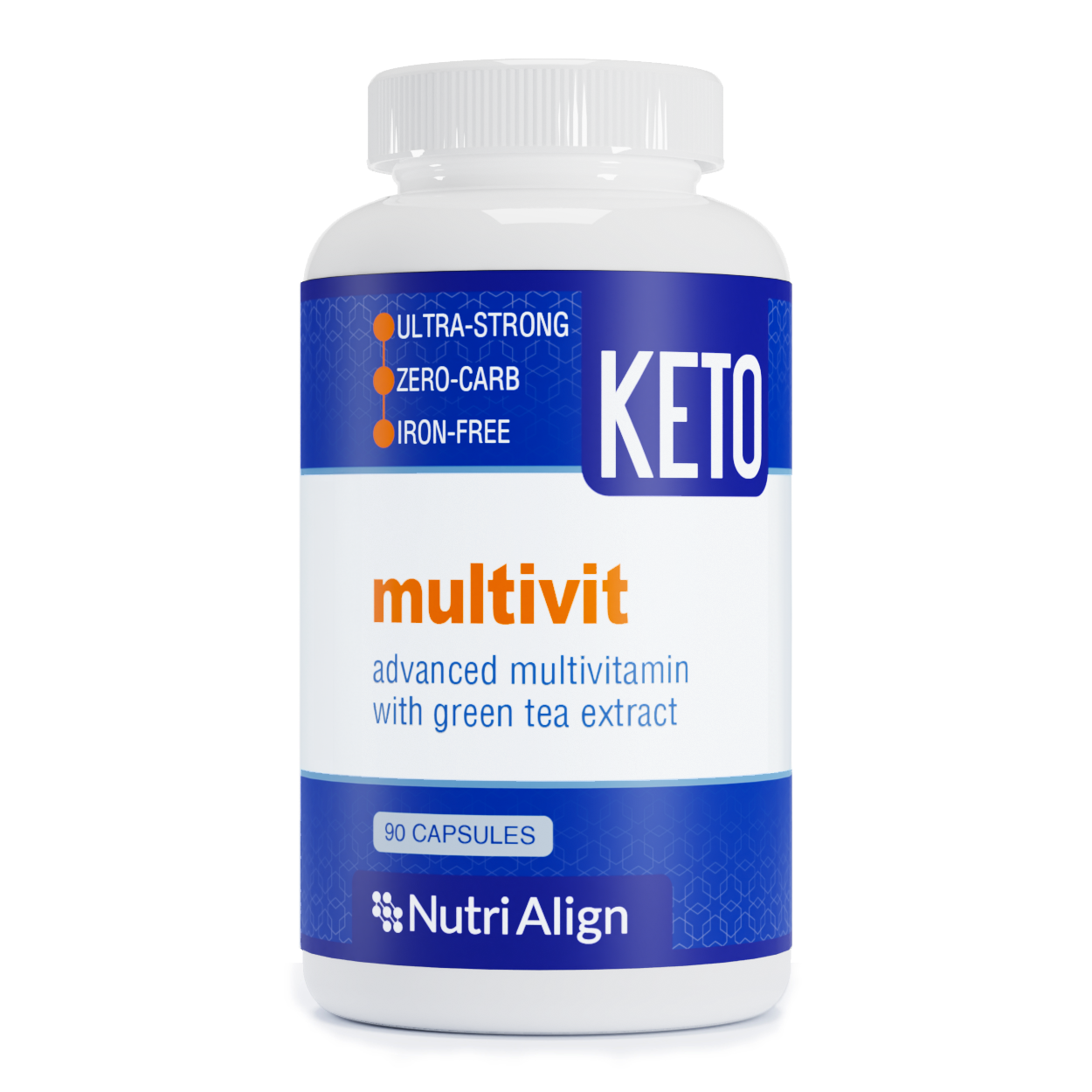
You take a multivitamin that includes iodine
-
You eat Carnivore nose-to-tail
Signs that you might need iodised salt:
-
You never eat seafood
-
You avoid dairy and eggs
-
You have symptoms of iodine deficiency, such as fatigue, weight gain, cold hands/feet, or brain fog
What about fasting? Should my electrolytes be iodised?
The main goal of salt during a fast is electrolyte support. Iodine is not an electrolyte. Your body doesn’t burn through it while fasting. You don’t lose iodine when you lose fat, in the same way that you do with electrolytes.
So your fasting salts do not have to be iodised.
The only catch here is that if you do a very long extended fast, or you do extended fasts regularly, there is a chance that you could get low on iodine simply because you’re not eating food for long amounts of time.
In that case, you could use some iodised salt, or supplement with something like Lugol’s iodine drops.
What about Himalayan and Sea salts?
These salts are popular in the Keto and Carnivore circles, and some people even use them when fasting. And while they do contain some trace minerals, they are not iodised.
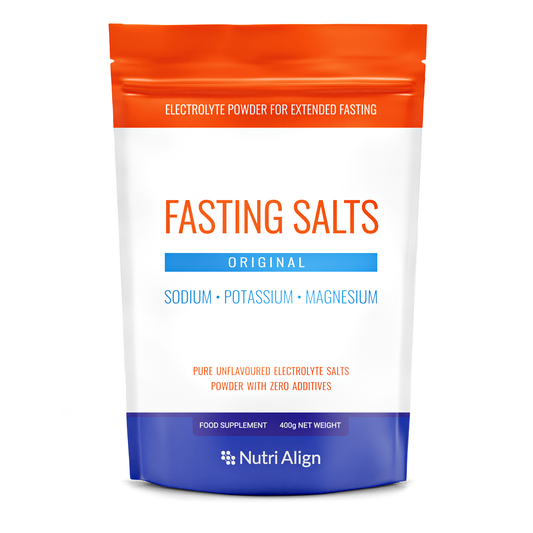
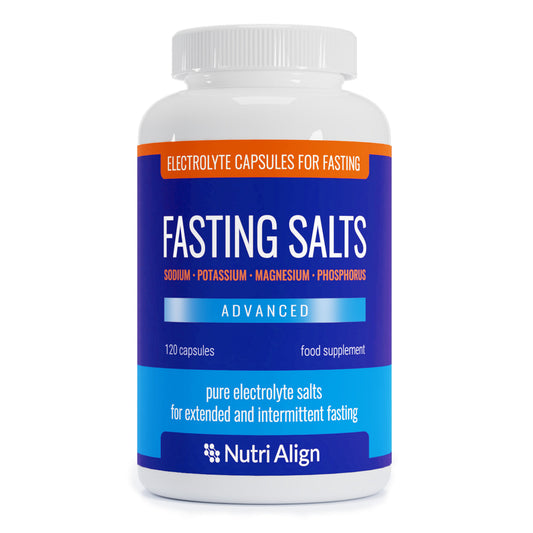
Also, it’s important to remember that pink salt and sea salt are not sufficient or consistent sources of electrolytes like magnesium and potassium. This is why we don’t use pink salt for our fasting salts. Our salts include a pharmaceutical-grade pure dried vacuum salt made in Great Britain.
Is there anyone who should avoid iodine?
Most people can use iodised salts and enjoy iodine rich foods with no issues. But iodine supplements are a different story, and can cause issues for some groups of people:
-
People with Hashimoto’s or Graves Disease
-
Those with multinodular goiter
-
Anyone with iodine sensitivity
-
Anyone taking iodine heavy medications
-
Anyone who is already consuming high amounts of seaweed or kelp
As always, it’s important to check in with your doctor if you have concerns about iodine or your thyroid health.
A simple guide
-
If you eat animal foods, you’re probably fine without an iodised salt
-
If you avoid seafood and dairy, adding a little iodised salt or taking a supplement can help meet your iodine needs
-
If you fast, you are not losing iodine, you only need to supplement electrolytes. Unless you do regular extended fasts, then you might need to add an iodised salt or supplement
Conclusion
Iodine is essential, but most people already get enough in their diet.