



You’re eating better, staying consistent, getting some Fasting hours in, all the things. Working hard towards your fat-loss goals. But the scales aren’t moving the way you expected. Before you assume that what you’re doing isn’t working, there may be something else you haven’t considered.
Nutrient deficiencies
A vitamin or mineral deficiency does not automatically stop fat loss. There are so many other factors that still matter, such as meal timing, hormones, sleep, activity, and metabolic conditions. However, certain nutrients are important for energy production, thyroid function, muscle function, and overall metabolism. If these are off, it can slow down, or even stop fat loss.
When you’re Fasting or following any kind of weight loss diet, it’s important to focus on nutrient-dense foods during your eating windows.
Magnesium
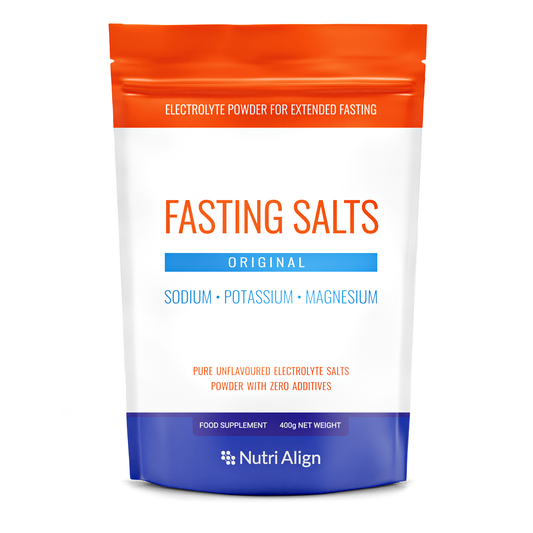
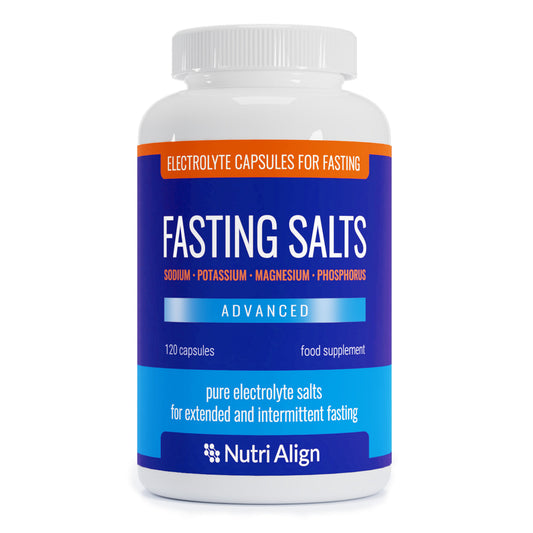
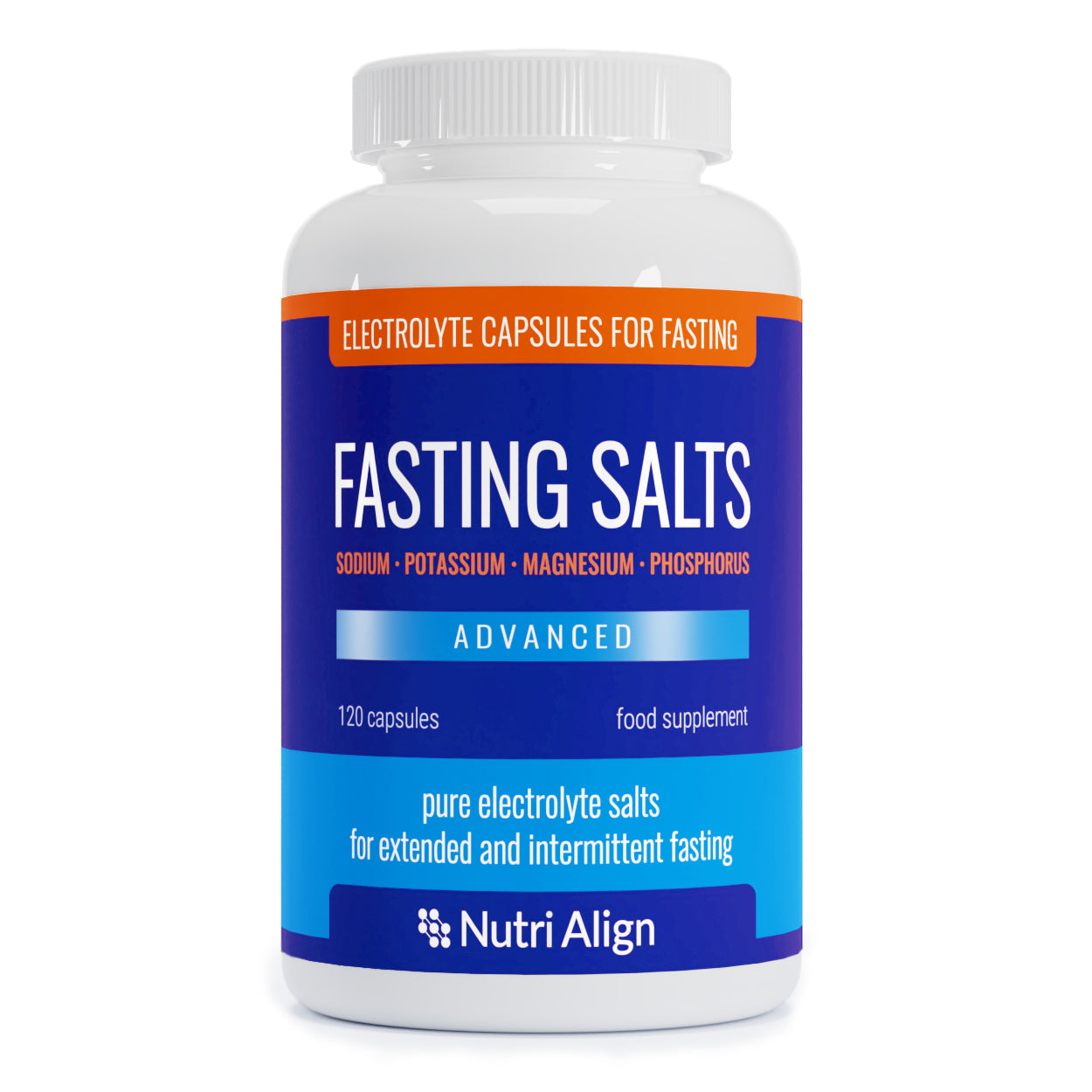
We talk a lot about getting your electrolytes in during a Fast, but many people find it surprising that a magnesium deficiency can actually slow down fat loss.
Magnesium is involved in hundreds of processes throughout the body. It helps with energy production, muscle and nerve function, and normal blood glucose regulation.
When magnesium intake is too low, not only can you experience fatigue, muscle cramps, and poor sleep, but you may find that the scales are not budging.
During eating windows, consider magnesium-rich foods including beef, seafood, leafy greens, nuts and seeds. And make sure to supplement electrolytes when you’re Fasting.
Vitamin B12
Vitamin B12 plays an important role in making red blood cells, maintaining healthy nerves, and helping the body process energy.
Low B12 can drain your cellular energy and impair metabolic efficiency. You won’t feel like being active, and you probably won’t feel motivated to stick to your weight loss plan.
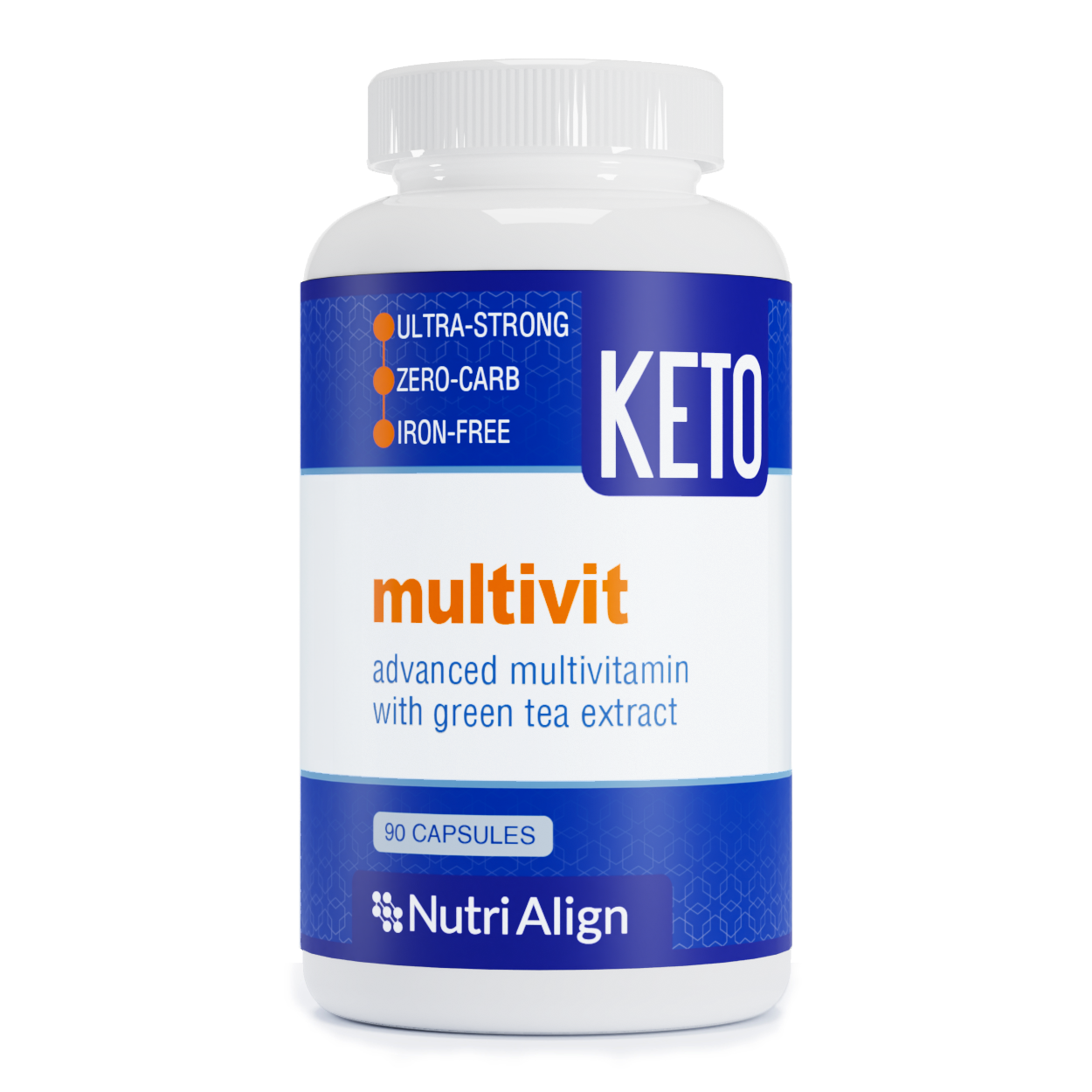
B12 is naturally found in animal foods, making beef, liver, eggs, and dairy useful sources. And if you find that you’re not getting enough B12 in your diet, you may need to supplement.
Iron
Iron helps your body make hemoglobin, the protein in red blood cells that carries oxygen throughout your body.
When iron levels are low, fatigue and weakness can occur. Exercise may feel harder, and you may have less energy for everyday activity.
Red meat, liver, seafood, and eggs are all good sources of iron. If you suspect you have low iron, it’s best to get your levels checked rather than simply taking an iron supplement. Too much iron can also be harmful.
Vitamin D
Vitamin D is best known for its role in bone health, but it also supports muscle function, the immune system, and other important processes.
Low vitamin D levels are common, and people with obesity are more likely to have low levels. However, taking vitamin D by itself isn’t a magic solution for losing body fat.
Sunlight, fatty fish, egg yolks, and fortified foods can provide vitamin D, and some people may benefit from supplementing.
Iodine, Selenium, and Zinc
We’re grouping these three minerals together because they all play important roles in normal thyroid function.
Your thyroid produces hormones that help regulate metabolism, and anything that affects metabolism will have an impact on weight loss.
Iodine is needed to make thyroid hormones, while selenium helps with thyroid hormone metabolism. Zinc also supports normal thyroid function and many other processes in the body.
That doesn’t mean taking these minerals will automatically speed fat loss. The goal is to make sure your body has what it needs to function normally.
Seafood, eggs, beef, and dairy can provide several of these nutrients. Iodized salt can also help, especially if you don’t eat animal products.
Daily requirements
Daily Value recommendations vary, but generally fall within the following ranges:
Magnesium: 300-500 mg
B12: 2.4 mcg
Iron: Adult men need 8 mg; adult women 19-50 years of age need more like 18 mg
Vitamin D: 600 IU (15 mcg)
Iodine: 150 mcg
Selenium: 55 mcg
Zinc: 11 mg for men; 8 mg for women
Don’t let a nutrient gap get in your way
Fat loss isn’t controlled by one vitamin or mineral, but your body needs adequate nutrition to function properly. If you’re doing everything right and your fat loss has still stalled, it’s worth taking a look at possible nutrient deficiencies.