



One of the complaints we often see with Fasting is leg cramps, sudden and sometimes painful muscle cramps that can happen during the day or wake you up at night. The good news is that leg cramps during a fast are common, and in most cases, easy to fix.
In this article, we’ll help you to understand why leg cramps can happen during fasting, and what you can do to stop them.
Why fasting can trigger leg cramps
It’s not the fact that you’re not eating that causes the leg cramps. In other words, it’s not the lack of food directly. Rather, it’s how your body responds to the fasted state; specifically, how fluid and mineral levels are affected.
When insulin levels drop, the kidneys release more water and sodium. Ever notice you probably pee a lot more when you fast? Also, when you start losing fat, you lose a lot of water with it.
This loss of fluids and minerals can leave your muscles tight and cramping.
Electrolytes
Let’s do a little refresher on electrolytes.
Electrolytes are minerals that help your muscles move and your nerves fire. These minerals can drop too low during a fast if you’re not supplementing. Balancing your electrolytes is the most important thing you can do to prevent leg cramps.
Sodium
Sodium is the electrolyte that most people lose first because when insulin goes down, the kidneys flush out sodium. Low sodium can cause leg cramps, as well as other symptoms, such as headaches, dizziness, and nausea.
Magnesium
This is probably the electrolyte that can cause the biggest issue with leg cramps, especially those you get at night. Magnesium supports nerves, sleep, and muscle recovery.
Potassium
Low potassium can also cause leg cramps, because potassium helps your muscles contract and relax smoothly. When potassium is low, you might experience muscle weakness, twitching, or cramps.
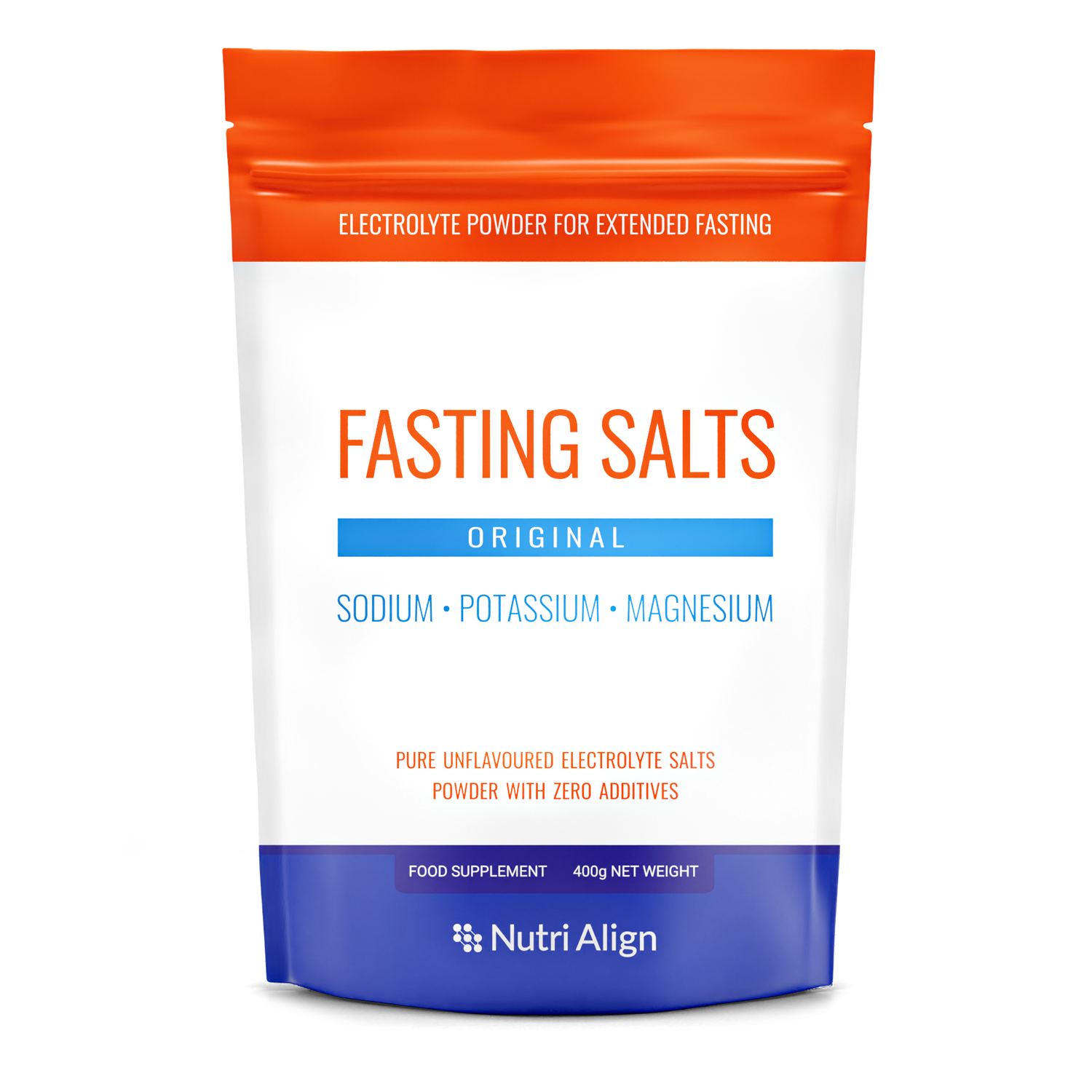
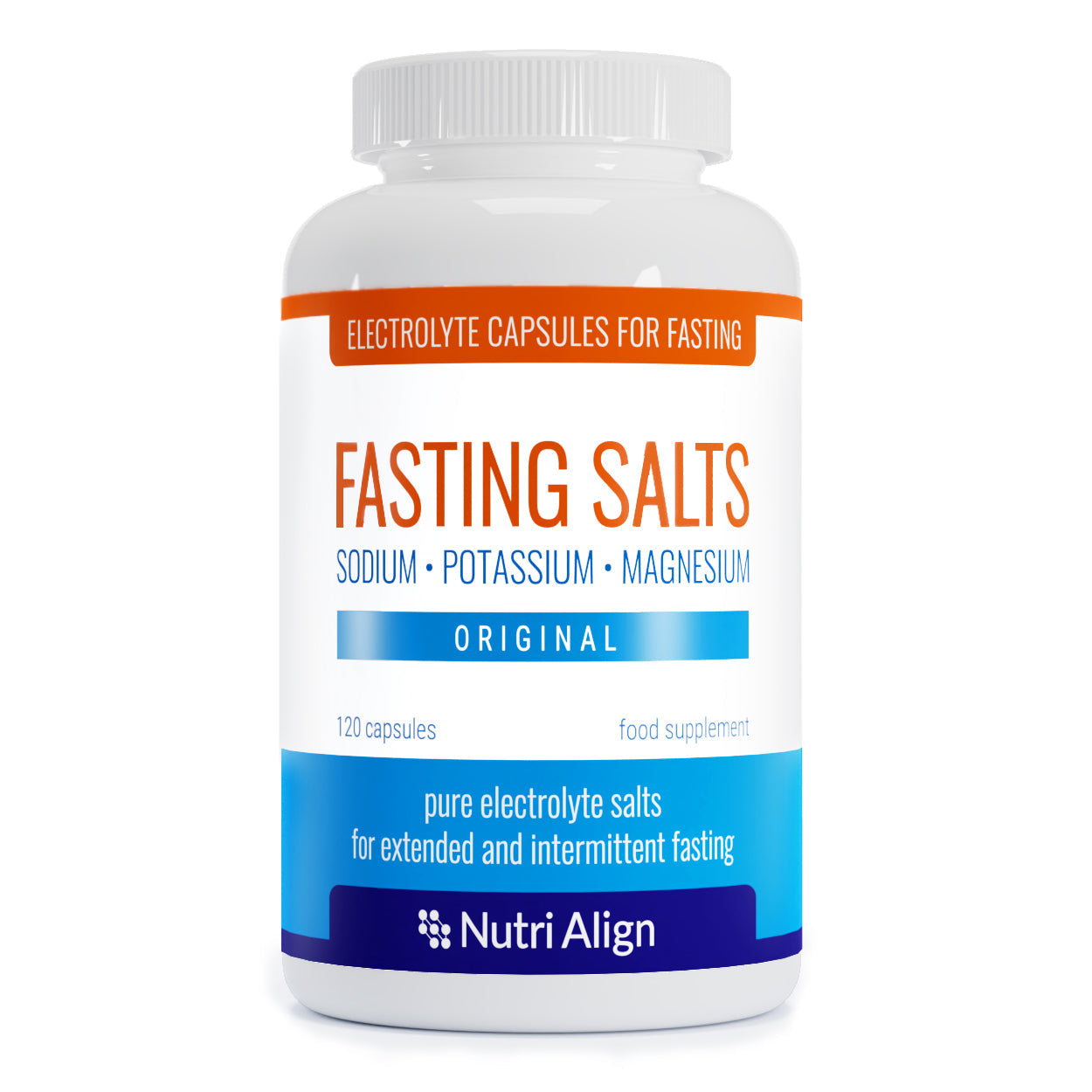
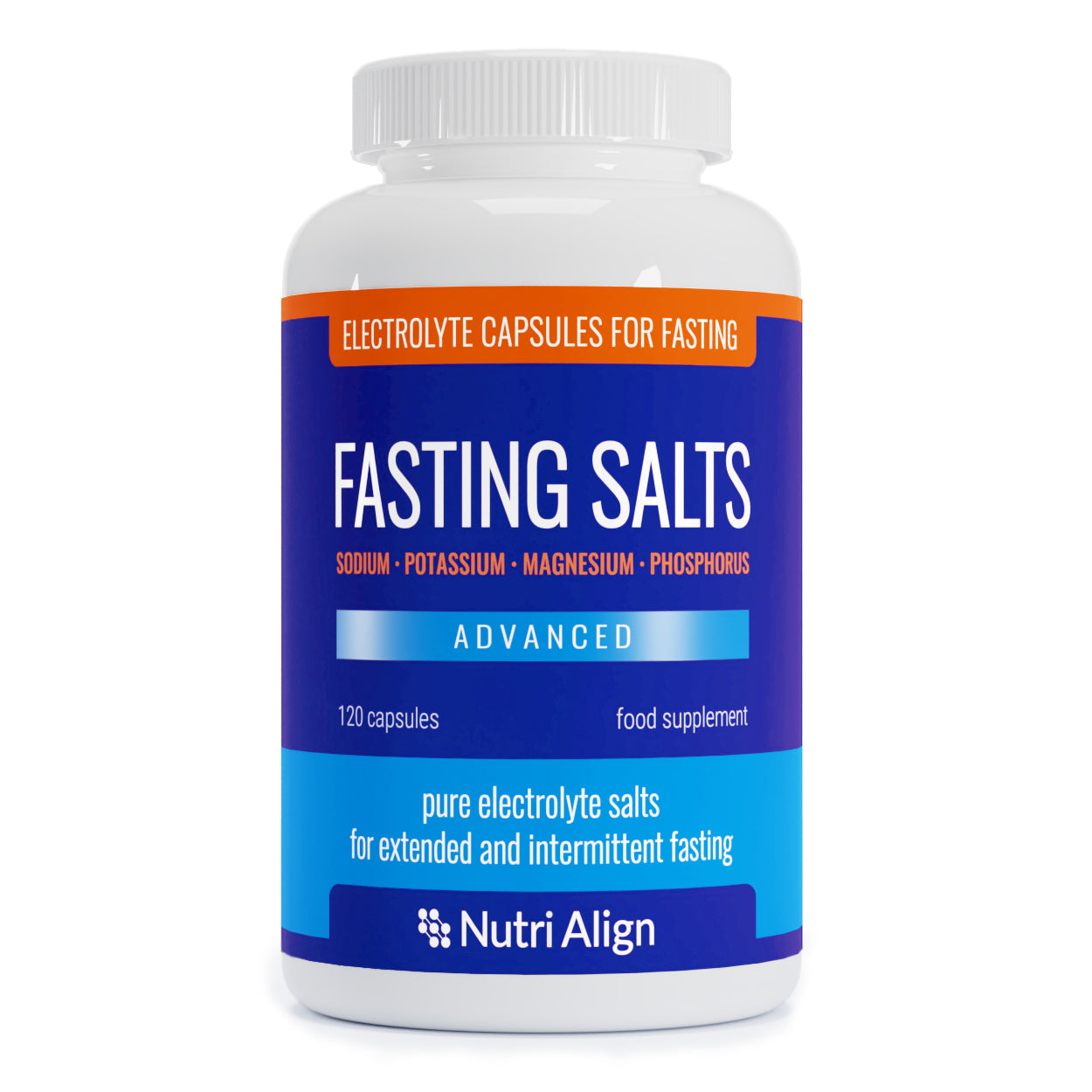
Remember that our fasting salts have sodium, magnesium, and potassium in the proper amounts for a fast, with no dodgy ingredients.
And you can take our dosage quiz to see exactly how much you need for your fast.
Hydration
Water balance can change a lot during a fast, and dehydration means your muscles don’t get the fluids they need to stay relaxed. But it’s one of those things that you have to fine tune, because drinking too much water can also be bad because it dilutes your electrolytes.
Aim for around 1.8 Litres/64 ounces of water a day, and after that drink to thirst.
Signs you may need more water are dry mouth, darker urine, headache, and fatigue, and retaining fluids.
Signs you may be drinking too much water include nausea, feeling light-headed, and any symptoms of low electrolytes.
Other causes of leg cramps during a fast
While hydration and electrolytes are the biggest factors, there are some other things to watch out for:
-
Detox - Sometimes the detox that comes with fasting can cause things like cramps. Drinking extra water can help flush those toxins through
-
Keto flu - Cramps can be one of the symptoms of keto flu
-
Over-exercise or long walks during a fast, especially if you’re not used to it
-
Generally tight muscles or poor circulation
Preventing leg cramps when fasting
Here’s a helpful list of things you can do daily to help prevent leg cramps:
-
Get your electrolytes in (remember to take our dosage quiz)
-
Drink your water (Try to keep a bottle of water nearby, or set a timer to remind you to go and get some)
-
You might need to add a little extra magnesium in the evenings before bed, or try a warm bath with Epsom salts
-
Stretch your legs before you sleep
-
When not fasting, nourish your body with mineral-rich foods
Please note that while leg cramps during fasting is common, there are other more serious causes of leg cramps that have nothing to do with fasting.
Always see your doctor if you have cramps that do not go away, despite being hydrated and good on electrolytes, or you have other symptoms, as well.
Conclusion
Leg cramps are annoying and can be painful, but they’re usually fixable. With the right balance of water and electrolytes, your muscles can relax and you can have a much more comfortable fast.



1 comment
Informative read. Electrolyte balance is definitely key. We cover more health topics at https://bzpharmacy.com/