



If you’ve been practicing Intermittent Fasting and feel comfortable going 16 or 18 hours without eating, you may be wondering what happens when you take things a little further. A 24-hour fast is one option, giving your body a longer break from food, but not as challenging as a longer extended fast.
Let’s look at what happens in your body, the potential benefits, and how to approach your first 24-hour fast.
What happens to your body during a 24-hour fast?
Your body doesn’t suddenly switch from burning glucose to burning fat when you stop eating. Instead, it gradually changes how it uses stored energy.
The timing is going to be a little different for each person, but here’s a general idea of what happens over 24 hours:
First 8-10 hours: After your last meal, your body continues using the nutrients from that food for energy. As time passes, insulin levels begin to fall, allowing access to stored energy more easily.
12-18 hours: Your body relies more heavily on stored glycogen, which is glucose stored primarily in your liver and muscles. Your liver also works to maintain blood sugar levels as you go longer without food.
18-24 hours: Fat metabolism becomes increasingly important. Your body releases fatty acids from stored fat and uses them for energy. The liver begins producing more ketones, which can be used as an alternative fuel source, but you probably won’t be in deep ketosis after just one day of fasting.
By the end of 24 hours, much of your liver glycogen has been used, although it isn’t necessarily completely depleted.
These changes can happen gradually, and again, the timing can vary depending on previous meals, your activity level, and individual metabolism.
Potential benefits of a 24-hour fast
Anytime you give your body a therapeutic break from food is helpful, but obviously the longer you go, the more potential for benefits.
This is especially true if you tend to eat a lot of carbohydrates during eating windows, because you’ll have more time to burn through the glucose and stored glycogen.
Possible benefits include:
-
Weight loss and/or weight management: Going 24 hours without food allows insulin levels to fall so that your body can access stored fat. However, it’s important to not compensate by overeating when you break your fast.
-
Better metabolic health: Research on Intermittent Fasting has found improvements in certain markers, including insulin resistance, blood pressure, and blood sugar control. And there’s also lots of anecdotal evidence to back that up.
-
Improved relationship with food: Eating around the clock makes it difficult to know when we’re truly hungry or just eating out of habit. A 24-hour fast two or three times a week can help you get back in touch with hunger and satiety signals.
How to prepare for a 24-hour fast
A little preparation can make your first 24-hour fast much easier.
Start by choosing a day when you don’t have a lot of demanding activities or social events planned. You don’t need to spend the day sitting around, but your first attempt probably isn’t the best time to schedule an intense workout or plan a family gathering.
Your last meal is also important.
Choose something satisfying that includes protein, healthy fats, and nutritious whole foods. Avoid the trap of eating an unusually large meal just because you know you’ll be fasting afterward. Stay away from ultra-processed carbohydrates and added sugars.
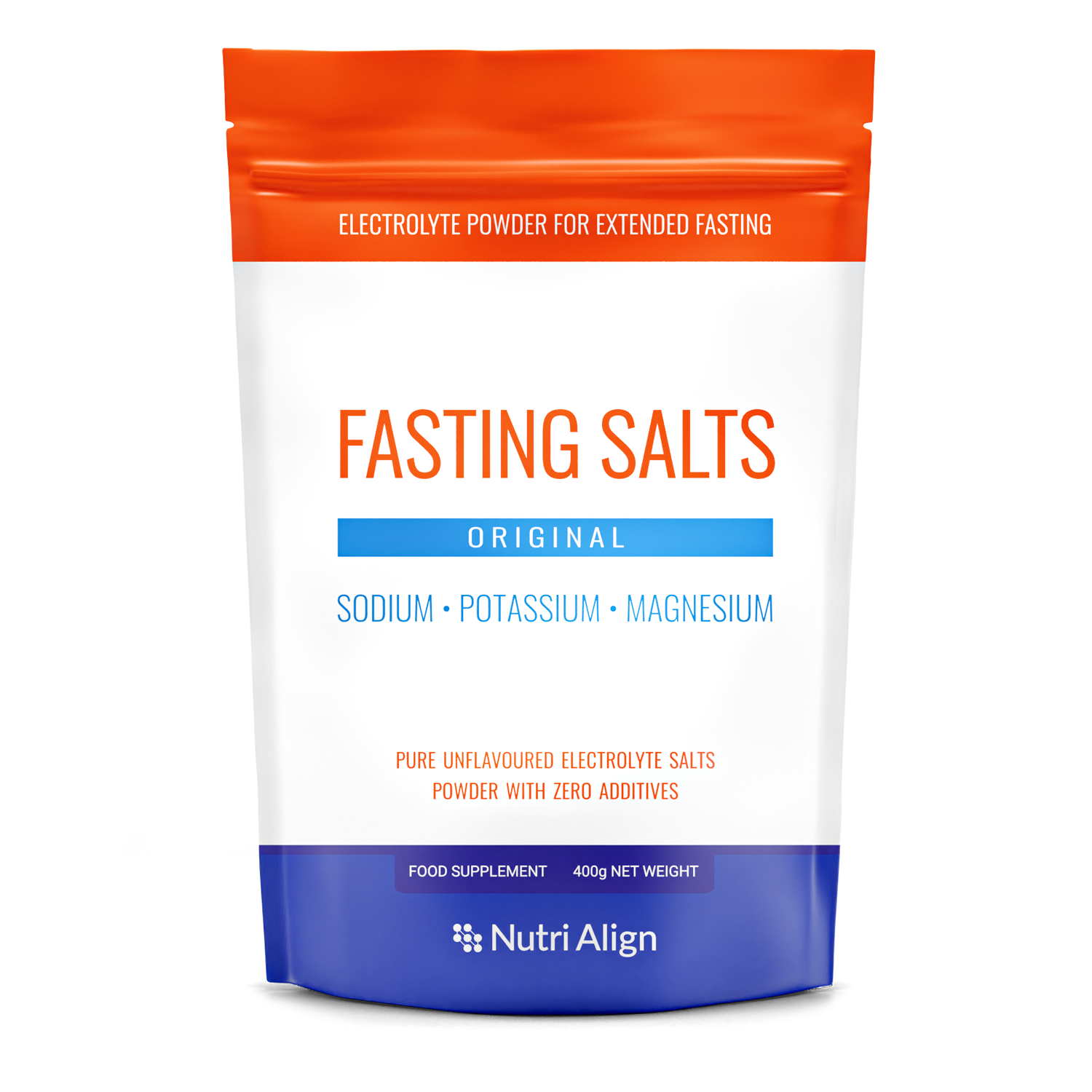
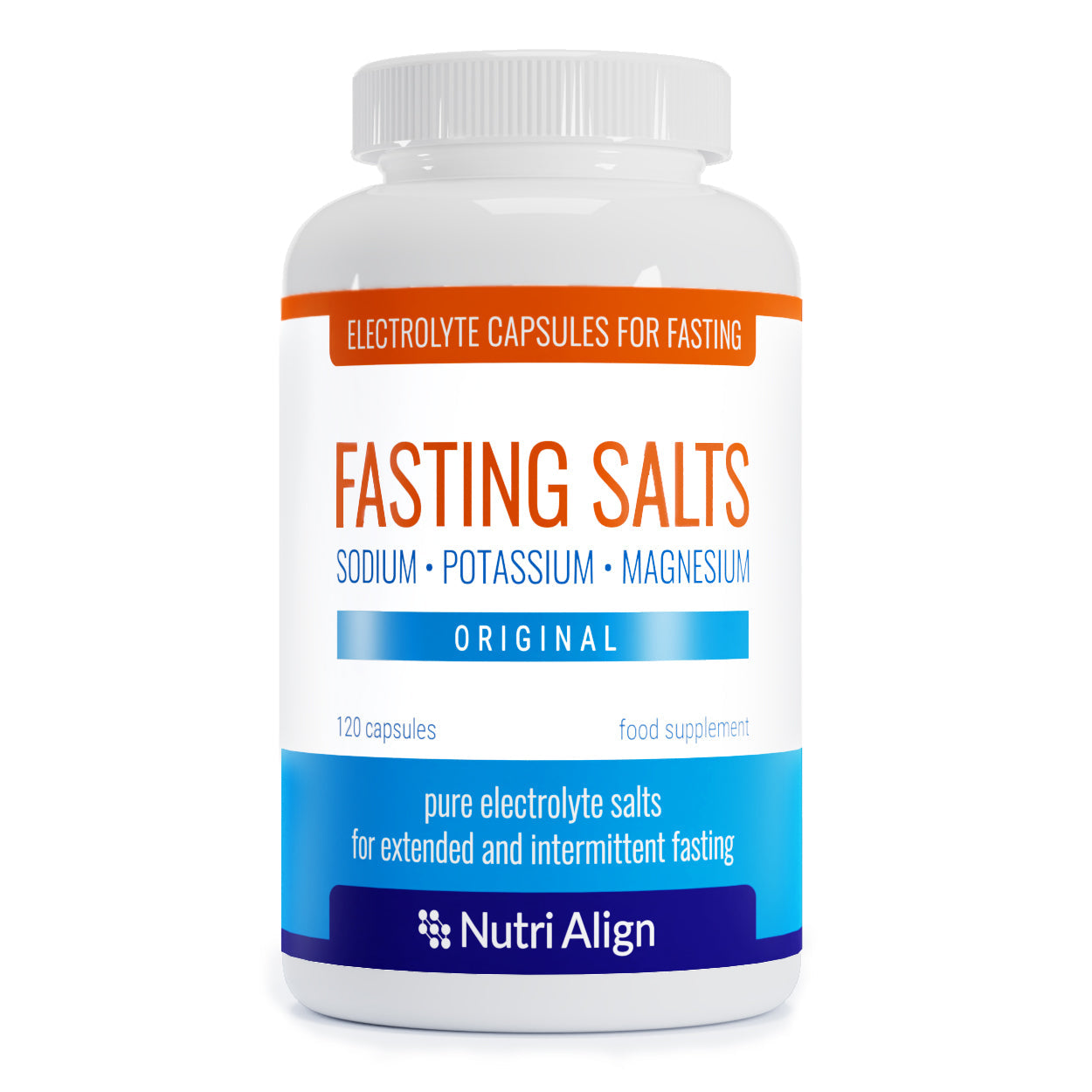
Have electrolytes ready if you need them. You can take our dosage quiz to pinpoint your electrolyte needs.
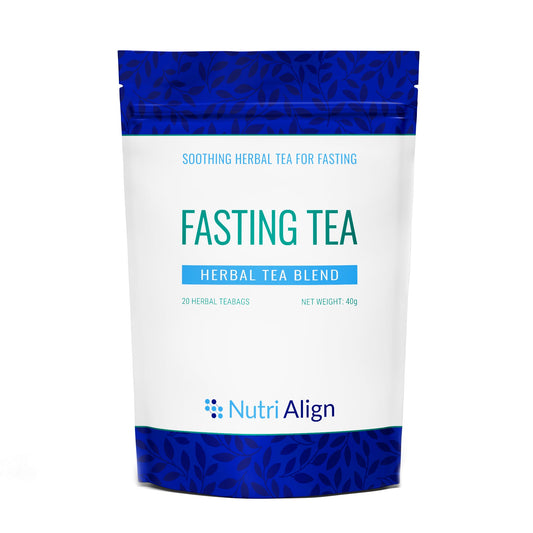
Another good idea is to stock up on other fasting aids such as sparkling water, pickle juice, or our Fasting Tea.
What to expect during your fast
Hunger is probably the first thing you’ll notice, and that’s perfectly normal. You might feel hungry around your usual breakfast or lunch time, even if your body has plenty of stored energy available. It’s mostly habit.
The good news is that hunger often comes in waves. You might feel hungry for a while, then find that the feeling passes without eating.
Other experiences can include:
-
Mild headaches
-
Feeling tired or less energetic
-
Irritability
-
Feeling colder than usual
Staying busy, staying hydrated, taking a gentle walk, and getting enough sleep can all help make the experience easier.
However, it’s important to note that severe dizziness, fainting, confusion, significant weakness, nausea or vomiting, or other concerning symptoms are reasons to stop your fast and seek medical advice when appropriate.
How to break a 24-hour fast
There’s no need to rush into a huge meal.
Start with a normal-sized, balanced meal containing protein, healthy fats, and whole foods. Eat slowly and give yourself time to recognise when you’re satisfied.
Most people won’t need a special refeeding protocol after a 24-hour fast. The important thing is to avoid turning the end of your fast into an opportunity to overeat. This isn’t a “making up for the fast” meal.
If you do find that a 24-hour fast leaves you feeling out of control around food, return to some shorter fasts, like 16 or 18 hour fasts.
Is a 24-hour fast right for everyone?
No. Although many adults can tolerate a 24-hour fast, it isn’t appropriate for everyone.
People who are pregnant or breastfeeding, underweight, or have a current or previous eating disorder should avoid fasting unless specifically advised otherwise by their healthcare provider.
Children and teenagers should not fast.
And people with diabetes or any other metabolic conditions should check in with their healthcare provider before starting a 24-hour fast, especially if they are on medications that lower blood sugar.
A 24-hour fast can be a reasonable next step
The 24-hour fast allows your body more time to use stored energy, increase fat metabolism, and produce ketones.
But longer isn’t always better for every person. You don’t have to complete a 24-hour fast to benefit from Intermittent Fasting. Find an approach that works for your lifestyle, supports your health, and is something you can maintain over time.
Citation:
Krista A. Varady, Sofia Cienfuegos, Mark Ezpeleta, Kelsey Gabel. 2021. Cardiometabolic Benefits of Intermittent Fasting. Annual Review of Nutrition 41:333-361. https://doi.org/10.1146/annurev-nutr-052020-041327