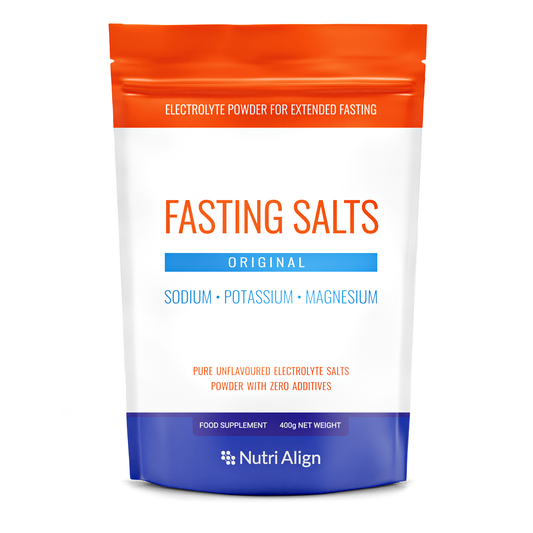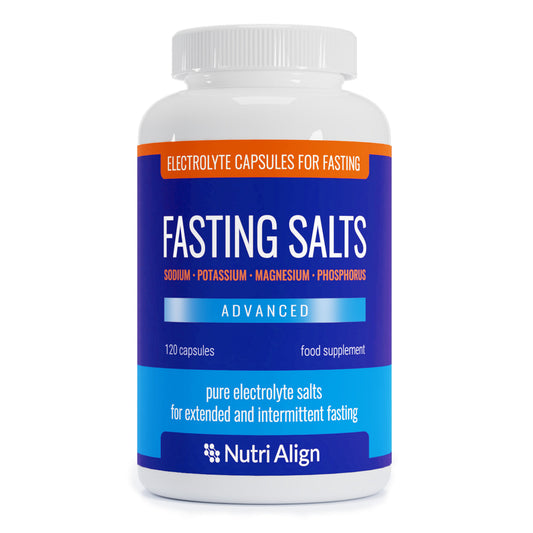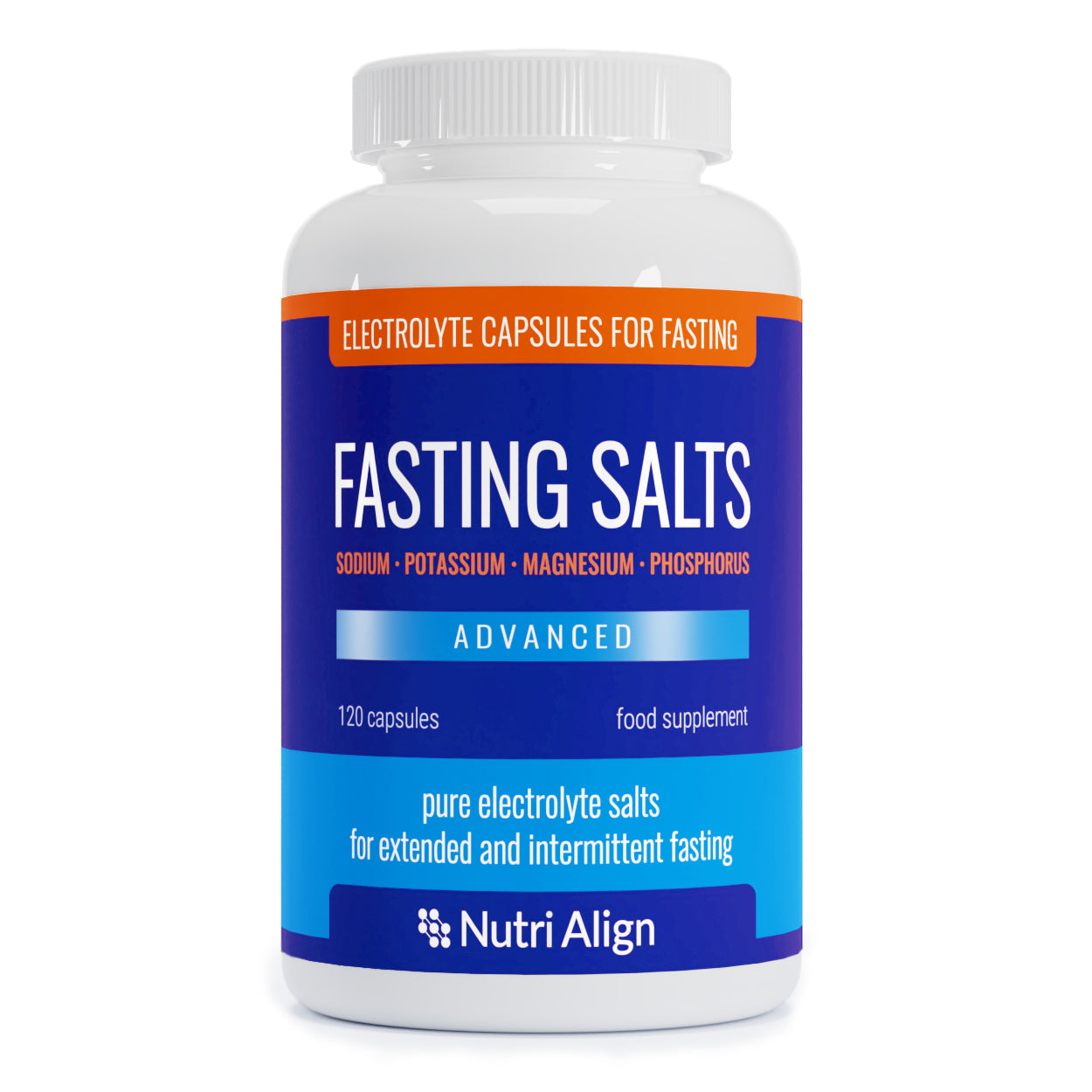




One of the most common questions, and debates, in the Carnivore community is whether or not you need electrolyte supplements on the Carnivore diet. The answer isn’t a simple yes or no. It depends on where you are in your Carnivore journey, your activity level, and how your body responds to eating very few or no carbohydrates.
Let’s dive into that.
Why electrolytes matter
Electrolytes are minerals, like sodium, magnesium, and potassium. They help regulate things like hydration, muscle contraction, nerve function, and heart rhythm. Your body depends on them everyday.
If these minerals get out of balance, you’ll know it. You may experience headaches, muscle cramps, fatigue, dizziness, weakness, brain fog, and even things like a fluttering or racing heartbeat.
Why Carnivore changes your electrolyte needs
A Carnivore diet naturally lowers insulin levels, compared to a standard high-carbohydrate diet. As insulin falls, the kidneys release more sodium and water. That’s one reason some people lose a lot of weight the first few weeks of Carnivore, much of the initial weight loss being water weight.
The problem is that as that water leaves the body, electrolytes go with it, and that’s when you can start experiencing those symptoms often called “keto flu.” The good news is that these symptoms are usually related to the electrolyte imbalance, not the diet itself, and are easily corrected.
Another issue is that Carnivore can be high in fat, and that fat can sometimes cause digestive issues, such as diarrhea, which will cause you to lose even more electrolytes.
When supplements can be especially helpful
Electrolyte supplements can be especially helpful during those first few weeks of Carnivore while the body is adapting, and even more so if you were eating a very high-carbohydrate diet before.
They will also be beneficial:
-
As long as you’re losing weight on Carnivore (fat loss equals potential loss of electrolytes, too)
-
If you’re not eating enough on Carnivore, something that happens frequently
-
If you’re combining fasting with your Carnivore diet
-
If you exercise intensely
-
When spending a lot of time outside in hot weather
-
If you lose fluids from digestive upset
Do you need supplements forever?
Maybe, maybe not.
Some long-term Carnivores do perfectly well simply salting their food to taste and eating a variety of animal foods. Beef, eggs, seafood, and other animal foods do contain some magnesium, potassium, and other trace minerals. And some Carnivore “experts” claim that as long as you keep sodium levels intact, those other electrolytes tend to stay stable.
Others continue to feel their best by using an electrolyte supplement daily, and there’s no shame in that. You’re not going to stop being a Carnivore just because you need more electrolytes. This isn’t a one-size-fits-all kind of thing, and individual needs can vary quite a bit. Even for the same person, your electrolyte needs can change from time to time based on many different factors.
The important thing is always paying attention to how you feel. Persistent headaches, fatigue, dizziness, or muscle cramps are signs that your electrolyte intake needs adjustment, no matter where you are in your Carnivore journey.
How much electrolytes does a Carnivore actually need?
The general guidelines for any low-carb diet, which Carnivore is, are as follows:
-
Sodium - 4,000 to 7,000 mgs a day
-
Magnesium - 400 to 600 mgs a day
-
Potassium - 1,000 to 4,700 mgs a day
As you can see, that’s a wide range, and it’s always a good idea to start on the lower ends and add more as needed. How much are you getting in your actual food? Are you experiencing symptoms of low electrolytes? Be especially careful with potassium, which can be dangerous if you’re getting too much.
Electrolytes are necessary
Electrolytes aren’t optional, your body has to have them one way or another. But of course supplementing is optional, and will depend on your own individual needs and how you’re feeling on your Carnivore diet.
If you need more electrolytes, supplementing is fine. This isn’t about suffering, it’s about feeling your best. That’s why you came to the Carnivore diet in the first place.