



Heavy metals in food and supplements have become a popular topic in recent years, and for good reason. Questions often come up about mineral salts such as pink Himalayan salt, Celtic salt, and sea salt. Do they contain heavy metals? Are they dangerous? And should you be worried?
The answer is yes, but dosage matters. Let’s dive into that.
What are heavy metals?
Heavy metals are elements that occur naturally in the earth. Common examples include lead, arsenic, cadmium, and mercury.
These metals are found in soil, rocks, groundwater, and even the foods we eat. Because they occur naturally, it’s nearly impossible to avoid them completely. Small amounts can be detected in foods like fruit, vegetables, grains, seafood, and drinking water.
Why should we care about heavy metals?
The primary concern with heavy metals is cumulative toxicity. Our bodies can’t break them down easily, which means they can accumulate in vital organs and increase risk of things like brain damage, kidney disease, and even cancer.
Tiny amounts are usually not a problem
When it comes to heavy metals, the dose matters.
For example, many municipal water supplies contain trace amounts of naturally occurring arsenic. Government agencies set limits to make sure those levels stay within a safe range.
The same idea applies to food and supplements. A trace amount does not automatically create a health risk. The goal is to keep exposure well below established safety thresholds.
Why natural salts can contain more heavy metals
Pink Himalayan salt, Celtic salt, and sea salt are often praised because they contain trace minerals that are not found in regular table salt. However, this comes with a trade-off.
Because these salts come directly from nature and go through less processing, they may also contain trace amounts of heavy metals and other impurities.
Pink Himalayan salt is mined from ancient salt deposits. Celtic salt and sea salt are harvested from seawater. Whatever minerals and contaminants are present in those environments can end up in the final product.
Research has also found that natural salts can vary quite a bit from one brand to another, and even from one batch to another. One source may contain different amounts of minerals and heavy metals than the next. This is one of the challenges with naturally harvested products.
Why third-party testing matters
This is why third-party testing is so important.
Rather than relying on assumptions or marketing claims, laboratory testing measures exactly what is present in a product. Independent testing can verify levels of heavy metals and ensure they remain below established safety standards. Be aware though, that while some brands disclose their mineral analysis, they are not required to do so.
For people using electrolyte supplements regularly during fasting, or on a Keto or Carnivore diet, consistency matters. A product used every day should have predictable and consistent quality and purity, and that’s not always easy to manage with mineral salts.
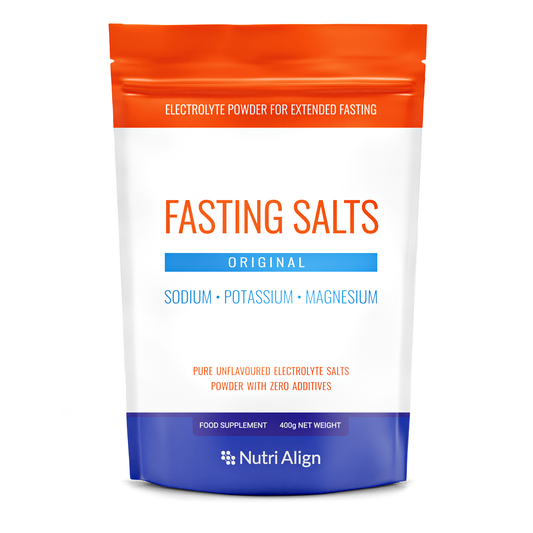
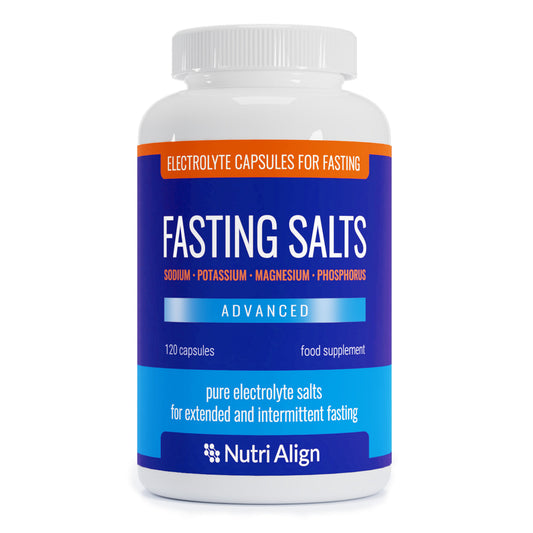
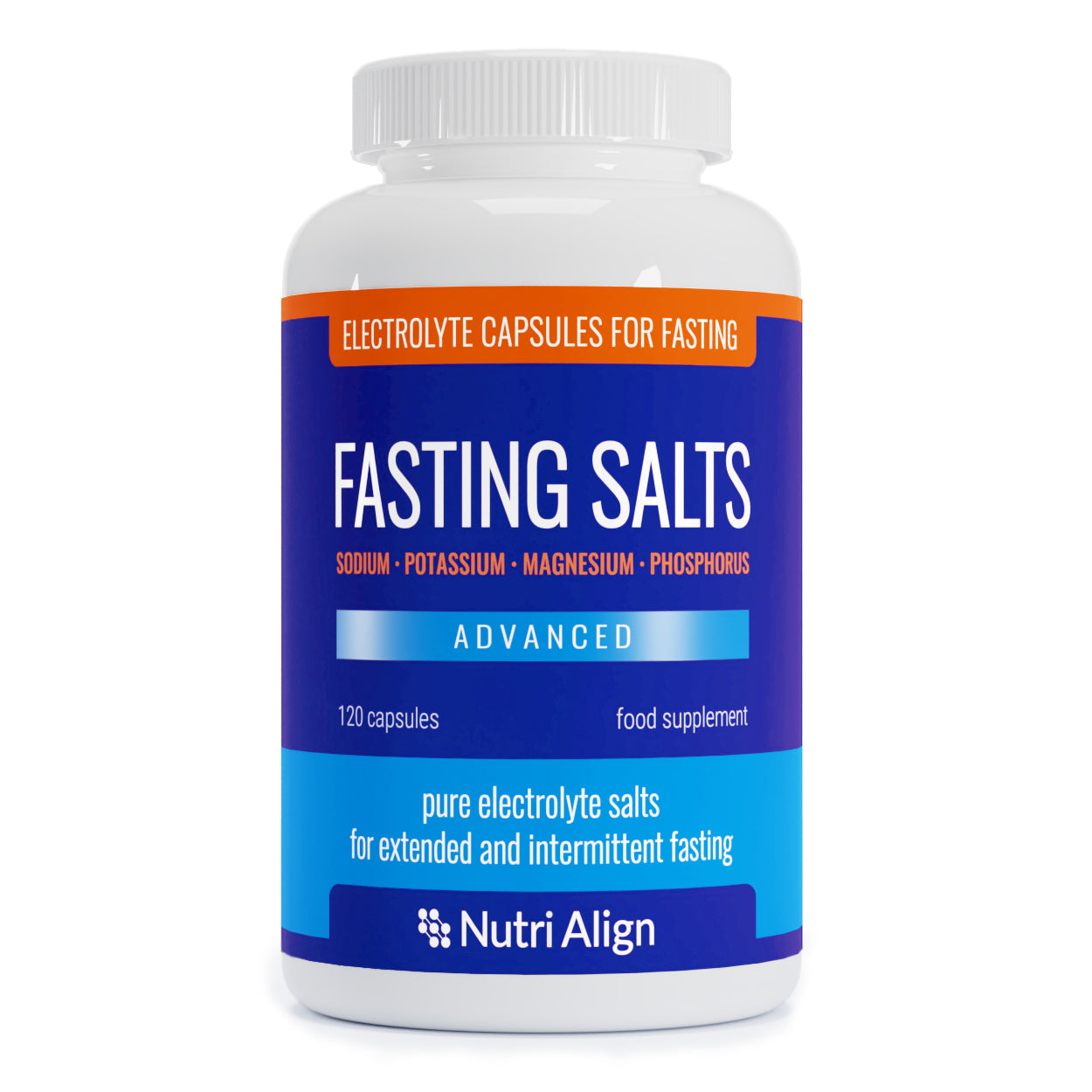
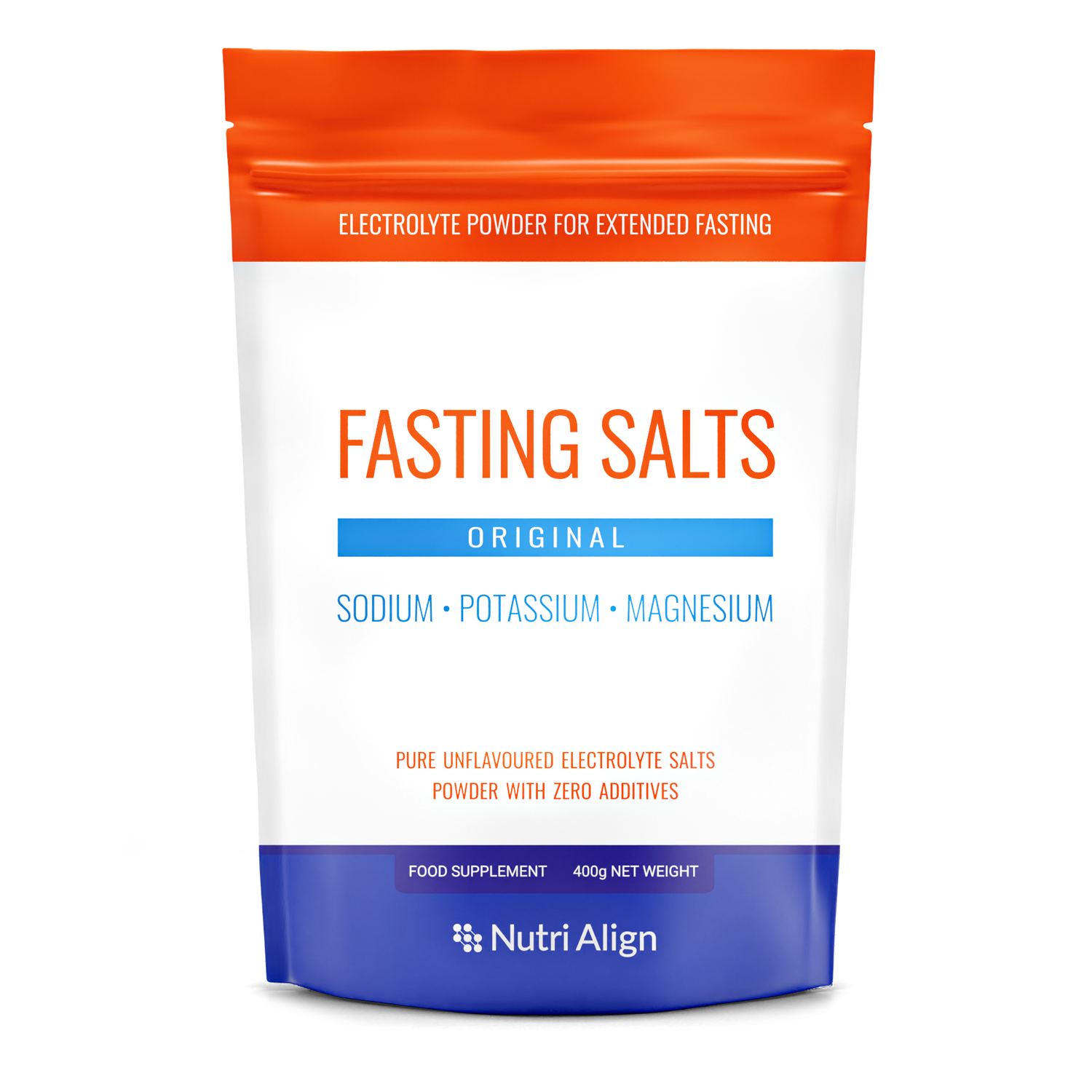
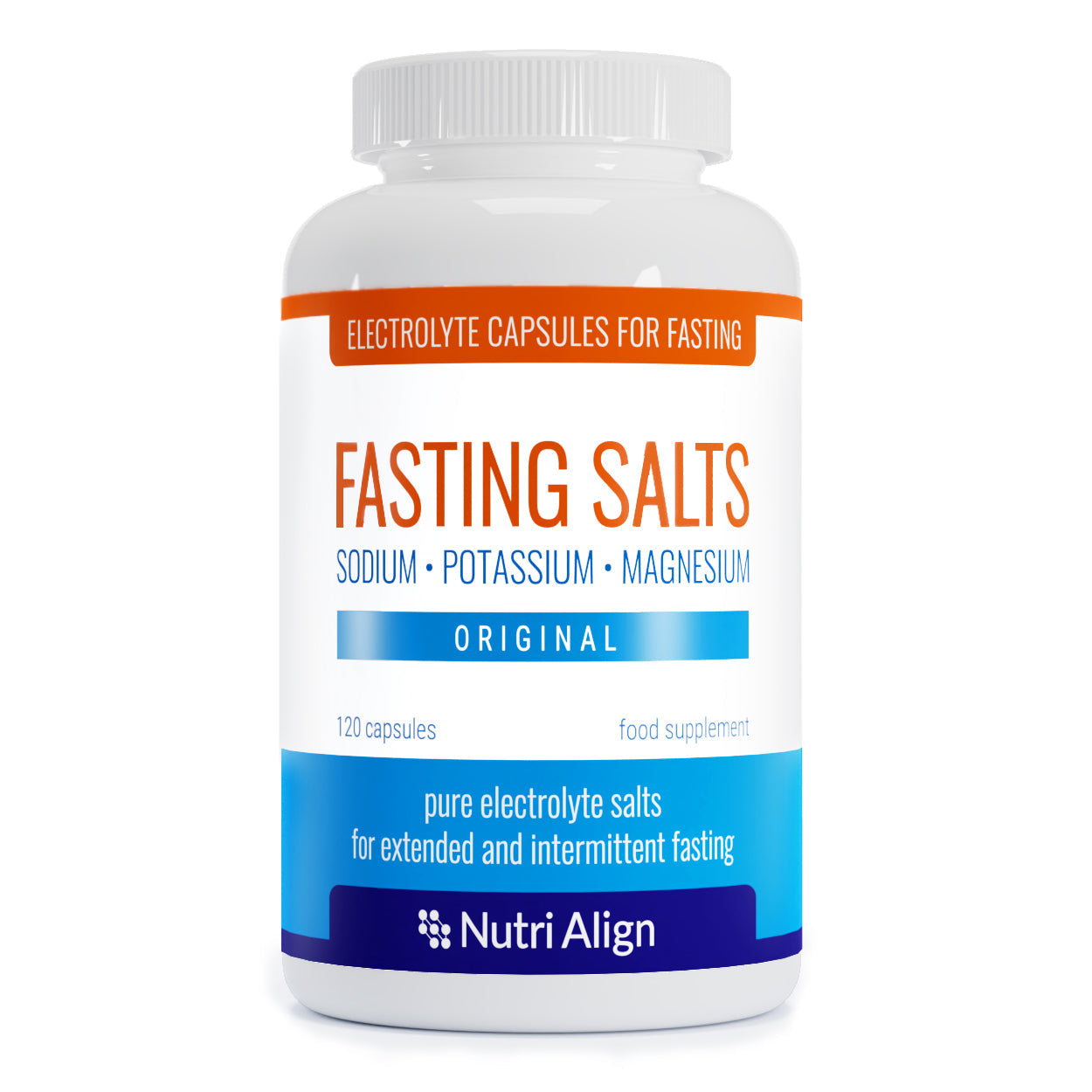
Why we use pharmaceutical-grade Sodium Chloride in our Fasting Salts
At Nutri-Align, we prioritise consistency and quality control. Our products use pharmaceutical-grade sodium chloride rather than naturally harvested mineral salts.
In addition, our ingredients undergo third-party heavy metal testing. The results consistently show levels well below established safety limits.
This approach helps ensure that our customers receive the electrolytes they need without the variability often seen in naturally harvested salts.
“Natural” doesn’t always mean better
Heavy metals are a natural part of our environment, and the goal is not to avoid them completely, but be mindful and make smart choices. When choosing electrolyte supplements, look beyond marketing claims and focus on transparency, testing, and quality control.
In a world where fake, copy-cat products are flooding the market, it’s essential to know that you are choosing the very best that’s available.